Best Times for Water Softener Installation
Choosing the optimal time for water softener installation can impact the efficiency and longevity of the system. Typically, scheduling during periods of moderate water demand allows for easier integration into existing plumbing without significant disruption. Additionally, avoiding extreme weather conditions can simplify installation processes, especially in regions with cold winters or hot summers.
Spring offers mild weather and increased availability of installation services, making it an ideal time for water softener setup.
Cold weather can complicate installation due to frozen pipes and reduced contractor availability.
Summer may be busy for contractors, but longer daylight hours facilitate scheduling and completion.
Fall provides a good window before winter, with moderate temperatures and fewer disruptions.

Technicians connect systems to existing plumbing, ensuring proper flow and filtration.
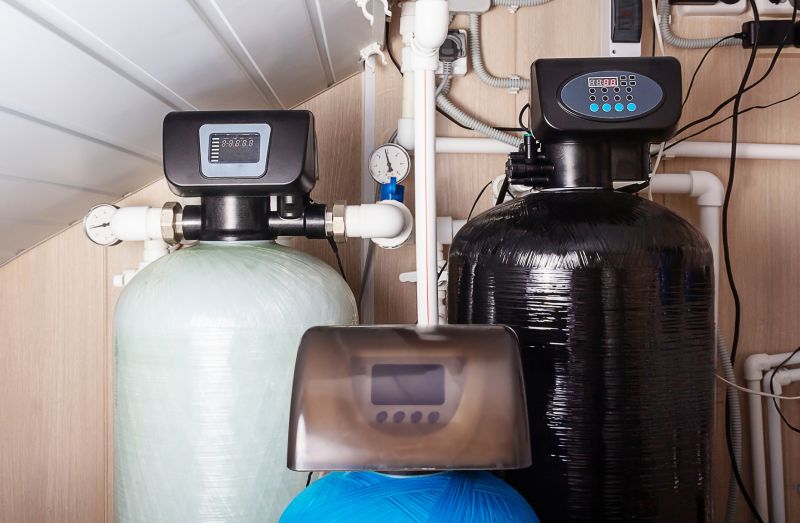
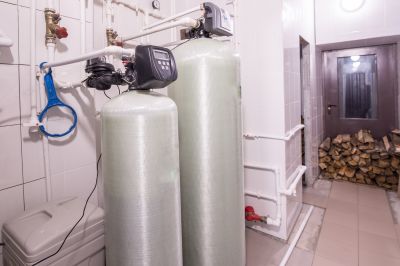
Installation involves connecting to main water lines, setting up resin tanks, and programming controls.
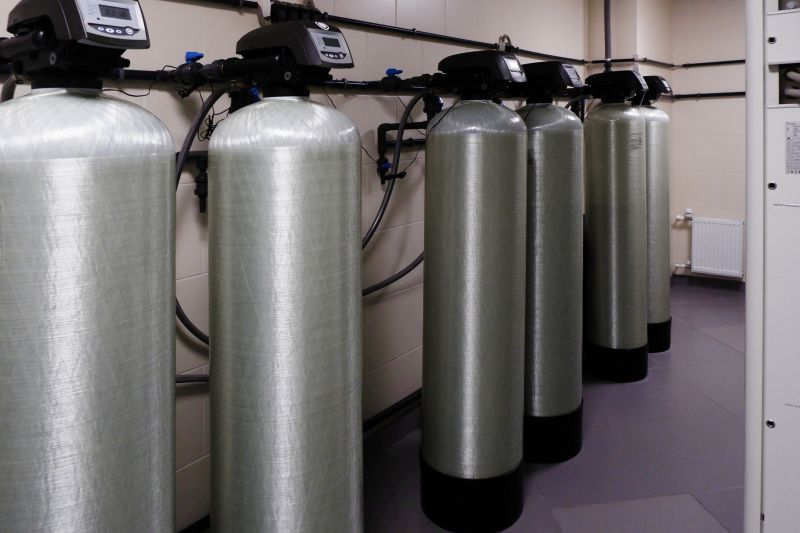
Final checks ensure the system operates correctly and efficiently.
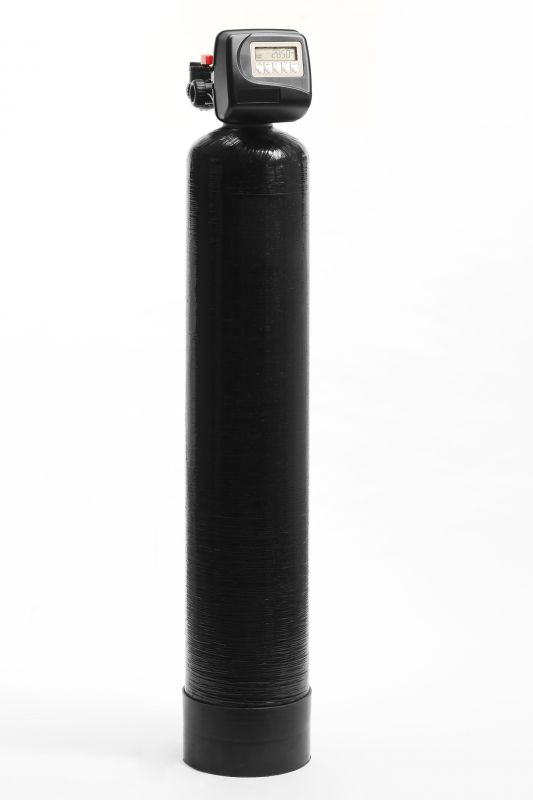
Ways to make Water Softener Installations work in tight or awkward layouts.
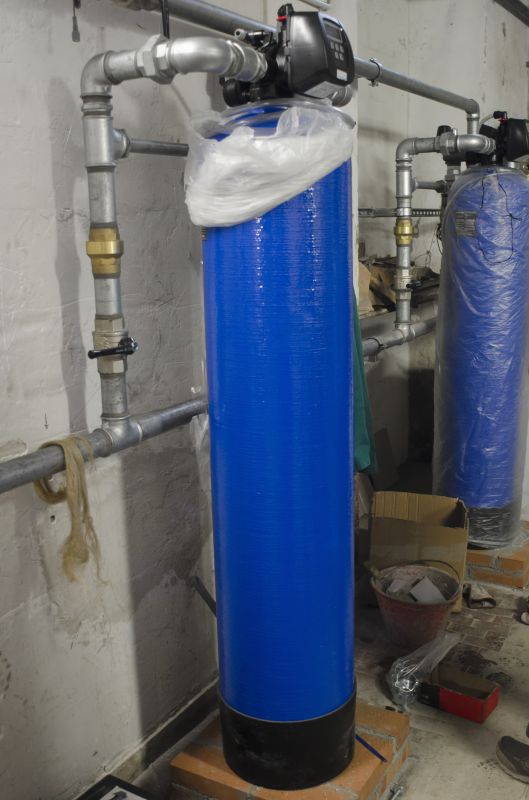
Popular materials for Water Softener Installations and why they hold up over time.
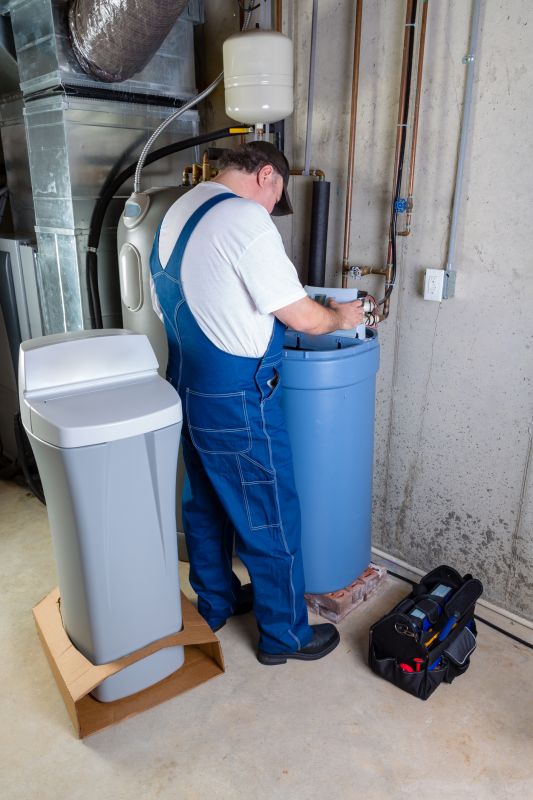
Simple add-ons that improve Water Softener Installations without blowing the budget.
| Season | Optimal Conditions |
|---|---|
| Spring | Mild weather, increased contractor availability |
| Summer | Longer daylight hours, potential scheduling conflicts |
| Fall | Moderate temperatures, before winter disruptions |
| Winter | Potential weather-related delays, frozen pipes |
Water softener installations are crucial for improving water quality by reducing hardness minerals such as calcium and magnesium. These minerals can cause scale buildup in appliances, reduce soap effectiveness, and lead to clogged pipes. Proper installation ensures optimal system performance, extending the lifespan of plumbing and appliances. According to industry data, a well-installed water softener can decrease mineral buildup by up to 99 percent, resulting in significant maintenance savings and enhanced water quality.
Statistics indicate that homes with water softeners experience fewer plumbing issues and lower energy costs due to increased appliance efficiency. The installation process typically takes a few hours and involves connecting the system to the main water supply, configuring settings, and testing for proper operation. Regular maintenance, including resin bed regeneration and salt refilling, helps maintain system effectiveness over time.
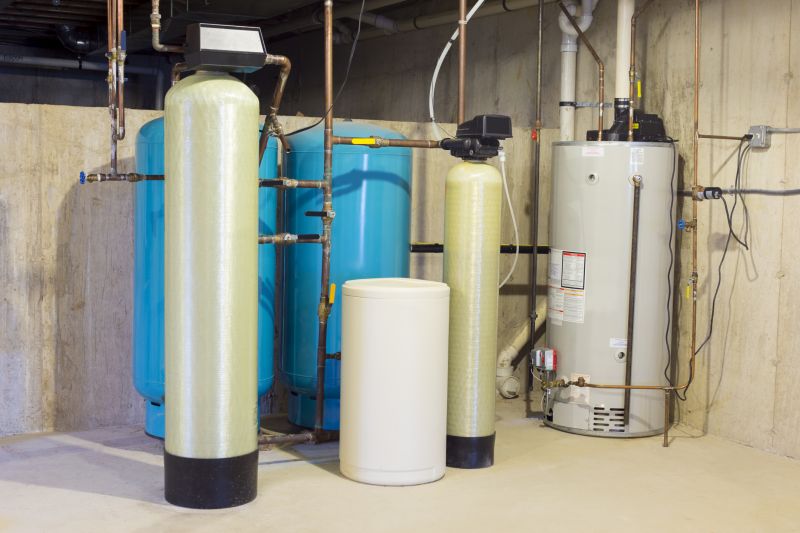
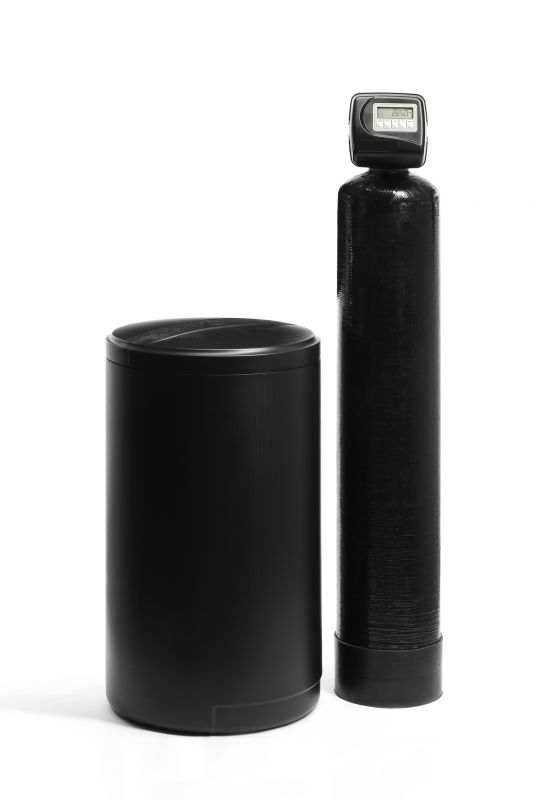
Includes resin tank, brine tank, control valve, and resin beads.
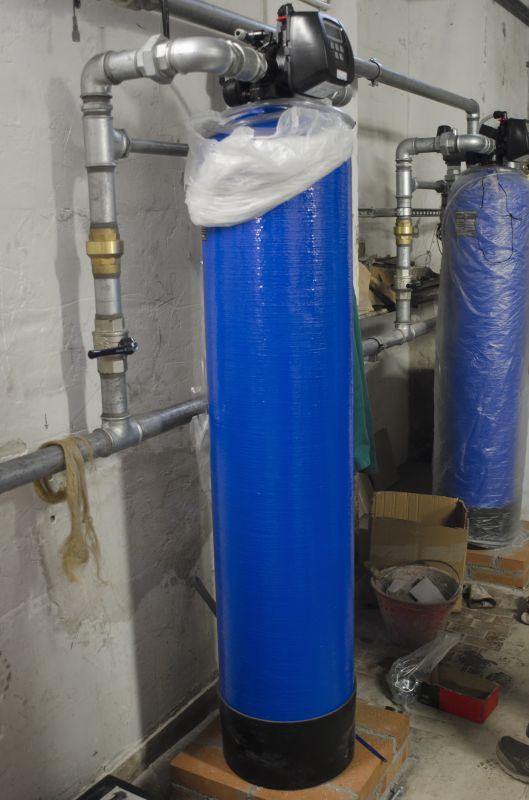
Typically installed near the main water line for comprehensive treatment.
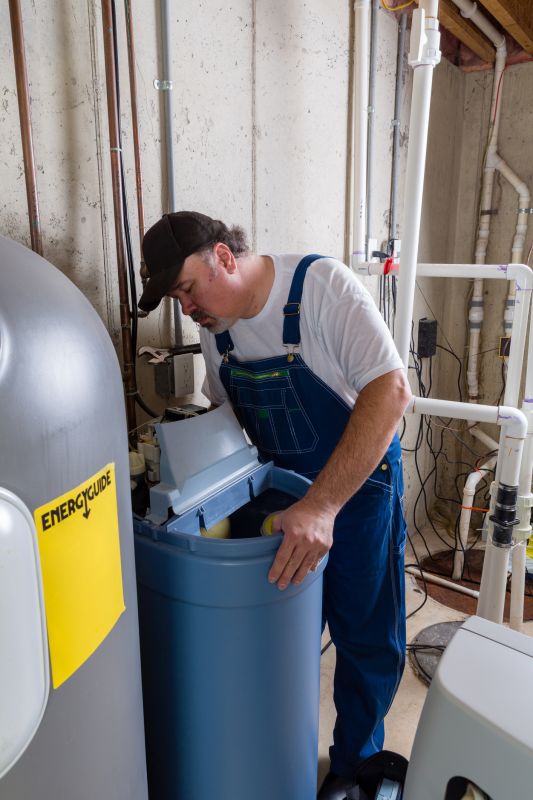
Periodic resin replacement and salt refilling are essential for ongoing performance.
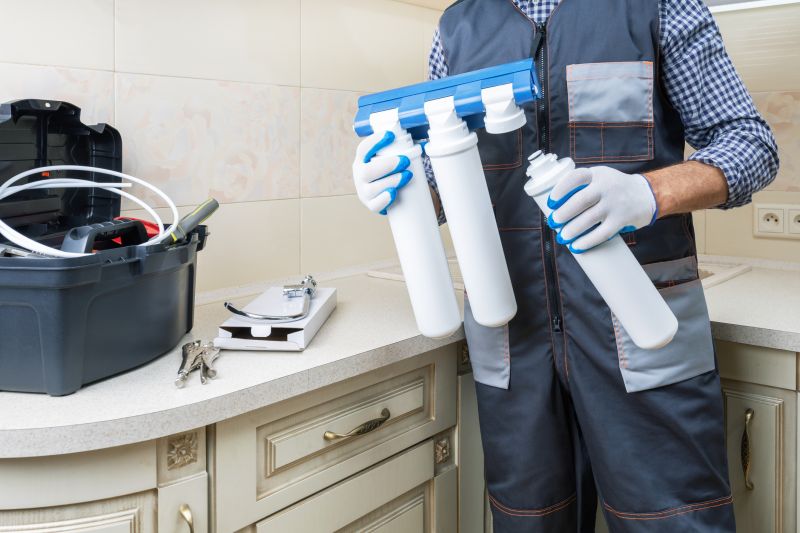
Reduces scale buildup, extends appliance lifespan, and improves water quality.
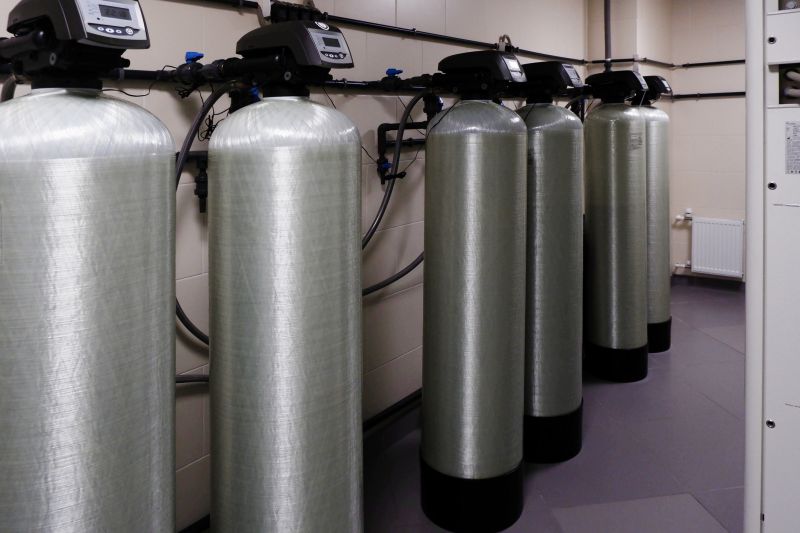
High-end options that actually feel worth it for Water Softener Installations.
Finishes and colors that play nicely with Water Softener Installations.
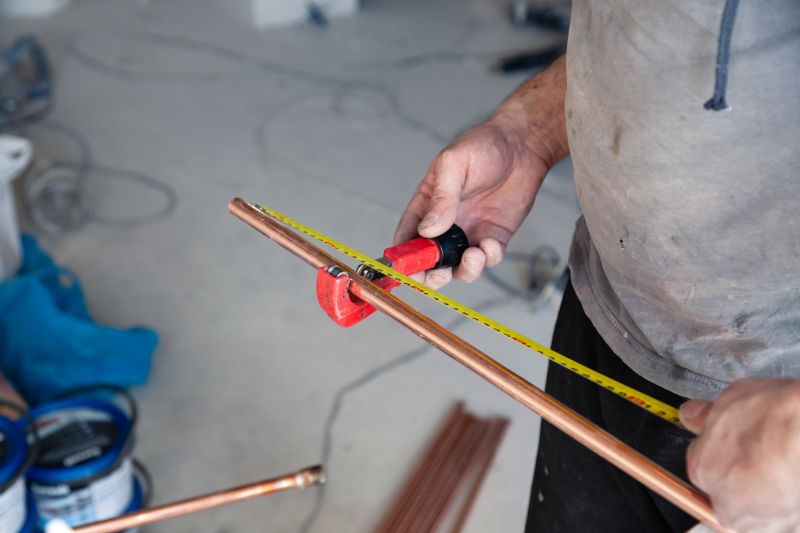
Little measurements that prevent headaches on Water Softener Installations day.
A 60-second routine that keeps Water Softener Installations looking new.
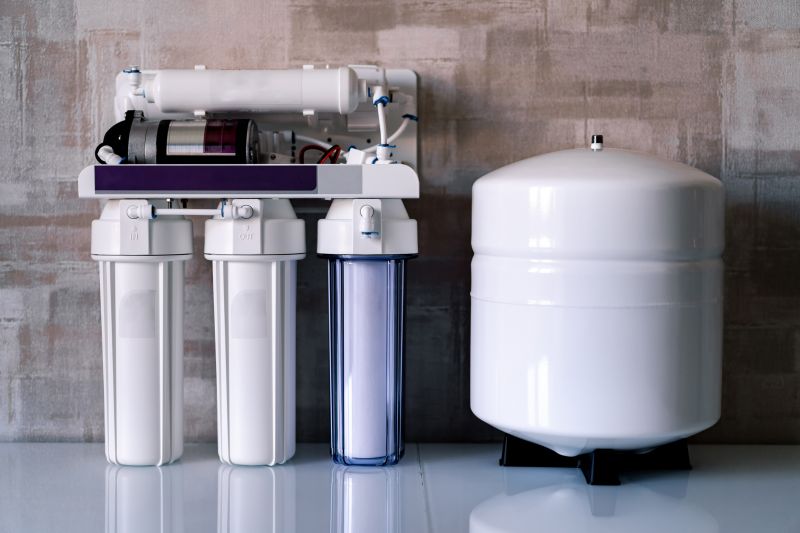
A frequent mistake in Water Softener Installations and how to dodge it.
Small tweaks to make Water Softener Installations safer and easier to use.
For those interested in installing a water softener, it is recommended to contact a professional at a time that aligns with seasonal considerations and personal scheduling preferences. Proper timing can ensure a smoother installation process and optimal system performance. Filling out the contact form can provide more information and assistance in planning the installation at the most suitable time.